


Charge Card vs Credit Card: What's the Difference?
Charge cards and credit cards look alike but work differently. Here's how they compare on balances, limits, interest and credit building.
CreditCardGuru Editorial Team
Rewards & Cards Research · June 3, 2026 · 1 min read
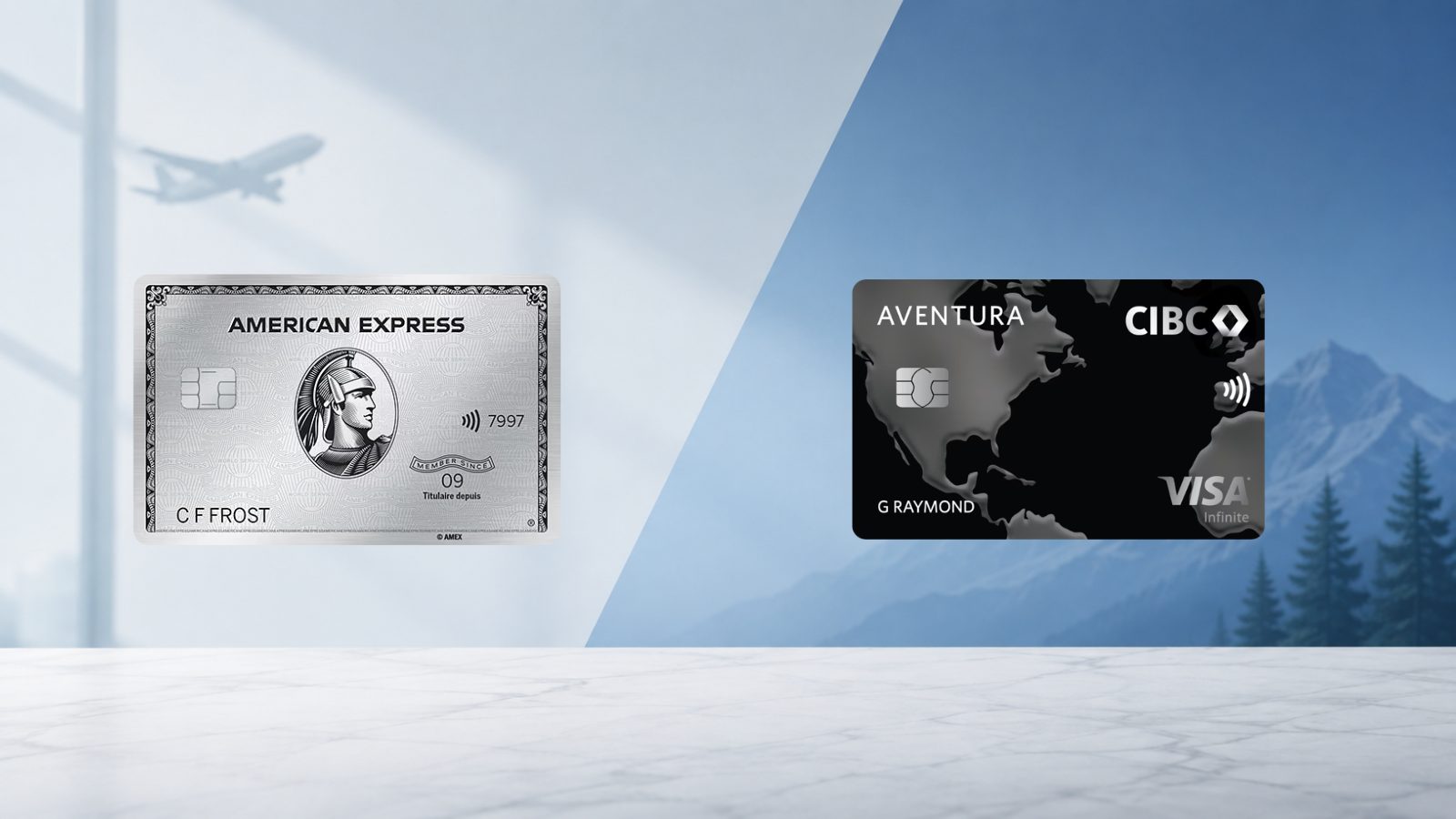
The core difference: a credit card lets you carry a balance from month to month (paying interest on the unpaid portion) up to a fixed credit limit, while a charge card generally must be paid in full every month and often has no preset spending limit. Many American Express cards are charge cards.
How they actually differ
- Carrying a balance: a credit card lets you carry a balance month to month (with interest); a charge card must be paid in full each month.
- Spending limit: credit cards have a fixed credit limit; charge cards often have no preset limit.
- Interest: credit cards charge around 20% on balances; charge cards usually have none, because you can't carry a balance.
- Missed payments: on a credit card, interest accrues; on a charge card, you'll face fees and the card can be frozen until it's paid.
Which is right for you?
A charge card suits disciplined spenders who always pay in full and want flexibility for big purchases without bumping into a credit limit. A credit card is more forgiving — you can carry a balance in a pinch — and is the only option if you ever need to spread a cost over time (just expect to pay interest).
Either way, the smart move is the same: pay your statement balance in full every month. If you do, you'll never pay interest on a credit card — we explain exactly how that works in our credit card FAQ.
The bottom line
Don't overthink the label. Focus on the rewards, fees and perks that match your spending, and pay in full. Ready to choose? Compare every card in Canada or see our top-rated rewards cards.